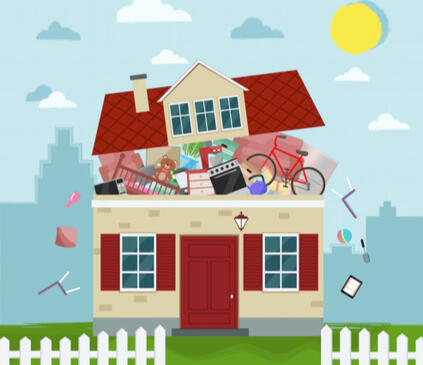
Hoarding
Persistent difficulty discarding or parting with items because of a feeling or a need to save items.
Disorder
A person experiences distress at the thought of getting rid of items. Excessive accumulation of items, regardless of actual value, occurs.
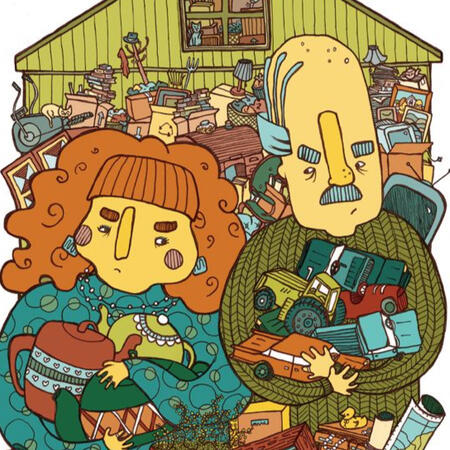

Etiology
It is unclear what causes the hoarding disorder. Genetics, brain functioning and stressful life events are being studied.
Treatment
cognitive behavioral therapymedicationlocal treatment facility

Disorder
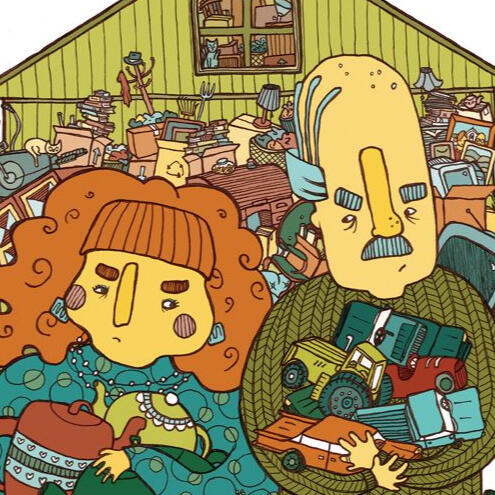
Hoarding ranges from mild to severe. In some cases it might not have much impact, while others it can seriously affect functioning on daily basis.
Hoarding creates:
narrow pathways surfaces are usually piled with stuff
May spread to:
garagevehiclesyardstorage facilities
Result of excessive acquisition:
makes space unusable for the intended purpose, like not being able to cook in the kitchen or use the bathroom to bathebuildup of food or trash leads to being unsanitaryconflict with others who try to helpdifficulty organizing, sometimes losing important items
Some individuals may recognize they have a problem, while others may not see a problem.
Etiology

It is unclear what causes the hoarding disorder. Genetics, brain functioning and stressful life events are being studied.
Hoarding usually starts around ages 11 to 15.More common in older adults.Occurs in an estimated 2 to 6 percent of the population.Researchers believe compulsive hoarding affects 1 in every 50 people, but may impact as many as 1 in every 20.
Risk Factors
Personality: temperament that includes indecisiveness
Family history: strong association between a family member and having the disorder yourself
Stressful events: develops after experiencing a stressful event they had difficulty coping with, like a death of a loved one, divorce, eviction or losing possessions in fire
Treatment

Cognitive-Behavioral Therapy (CBT):
Individuals gradually learn to discard unnecessary items with less distressThey learn to improve skills such as organization, decision-making and relaxationLearn to resist the urge to acquire more itemsLearn to reduce isolation and increase social involvementAttend family or group therapy
Medication: There are currently no medications to treat the hoarding disorder. Typically, medications are used to treat other disorders such as anxiety and depression. Most commonly used are a type of antidepressants called selective serotonin reuptake inhibitors (SSRIs).
Local Treatment Facility
Catalyst Mental Health: Uptown in Minneapolis
1915 Lyndale Ave S
Minneapolis, MN 55403
How to make appointment
computer with telehealthtelephonein-person
Treatment
"They work collaboratively with each client to design a carefully researched yet highly customized program that fits their unique needs."
https://catalystmentalhealth.com